1526 South Levick Street Moscow, ID 83843

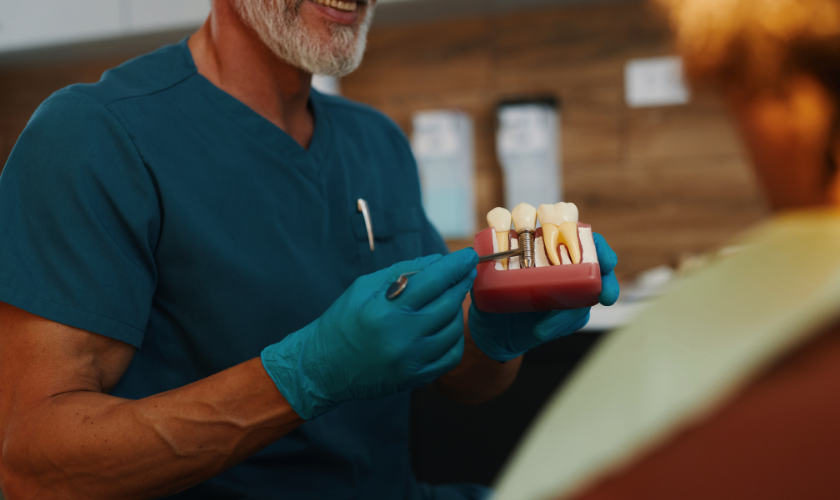
The Hidden Costs of Missing Teeth (And Why Moscow Patients Choose Implants)
Missing a Tooth? It’s More Than Just a Cosmetic Issue
Losing a tooth might seem like a minor inconvenience—especially if it’s not visible when you smile. But for many patients in Moscow, ID, the real impact of a missing tooth goes far beyond appearance.
At Palouse View Dental, Dr Tanner Menard often sees patients who initially ignored a missing tooth, only to return later with more complex dental problems. What starts as a small gap can lead to a chain reaction of oral health issues, functional challenges, and even financial consequences.
Understanding these hidden costs can help you make a more informed decision about your long-term dental health.
The Hidden Costs of Missing Teeth
Bone Loss Begins Quickly
One of the most significant—and least visible—effects of missing teeth is bone loss. Your jawbone relies on stimulation from tooth roots to stay strong and healthy.
When a tooth is lost:
- The bone in that area begins to shrink
- Facial structure can change over time
- Future dental treatments may become more complicated
This process can start within months and continue over time, leading to noticeable changes in your appearance.
Shifting Teeth and Bite Problems
Your teeth are designed to work together. When one is missing, the surrounding teeth begin to shift into the empty space.
This can lead to:
- Misalignment of your bite
- Increased wear on certain teeth
- Jaw discomfort or TMJ issues
Over time, these changes can require orthodontic or restorative treatments that could have been avoided.
Increased Risk of Decay and Gum Disease
A gap in your smile can create areas where food and bacteria accumulate more easily.
This increases the risk of:
- Cavities in adjacent teeth
- Gum inflammation and infection
- Chronic bad breath
Without proper intervention, these issues can escalate and affect multiple teeth.
Difficulty Eating and Speaking
Even a single missing tooth can impact your daily life more than you might expect.
Patients often experience:
- Difficulty chewing certain foods
- Changes in speech patterns
- Discomfort when eating
These challenges can affect both your nutrition and confidence.
Impact on Confidence and Self-Esteem
Your smile plays a major role in how you present yourself. Missing teeth can make you feel self-conscious in social and professional settings.
Many patients report:
- Avoiding smiling in photos
- Feeling less confident during conversations
- Hesitation in social interactions
Why Waiting Can Cost You More
Small Problems Turn Into Bigger Expenses
Delaying treatment doesn’t just affect your health—it can also increase your long-term costs.
What could have been addressed with a single solution may later require:
- Multiple restorations
- Gum disease treatment
- Bone grafting procedures
Addressing the issue early is often more cost-effective and less invasive.
Why Moscow Patients Are Choosing Dental Implants
A Long-Term, Natural-Looking Solution
Dental implants are widely considered the gold standard for replacing missing teeth. They are designed to replace both the root and the visible portion of the tooth, providing a complete and stable solution.
For patients considering dental implants in Moscow, ID, the benefits go beyond aesthetics.
Preventing Bone Loss
Unlike other tooth replacement options, implants stimulate the jawbone just like natural teeth. This helps:
- Preserve bone density
- Maintain facial structure
- Prevent long-term complications
Restoring Function and Comfort
Dental implants allow you to:
- Eat your favorite foods comfortably
- Speak clearly
- Enjoy a stable, secure fit
Unlike removable options, implants stay in place and function like natural teeth.
Durability and Long-Term Value
With proper care, dental implants can last many years—often decades.
While the upfront cost may be higher than other options, implants:
- Reduce the need for future replacements
- Prevent additional dental issues
- Offer long-term value and peace of mind
The Dental Implant Process
Step 1: Consultation
Dr Tanner Menard evaluates your oral health and determines if you’re a good candidate for implants.
Step 2: Implant Placement
A small titanium post is placed into the jawbone, acting as an artificial root.
Step 3: Healing and Integration
The implant fuses with the bone over time, creating a strong foundation.
Step 4: Final Restoration
A custom crown is placed on top, completing your smile.
Who Is a Good Candidate for Dental Implants?
Ideal Candidates Typically Have:
- Healthy gums
- Sufficient bone density
- Good overall health
- Commitment to oral hygiene
Even if you’ve been missing a tooth for a while, you may still be eligible for additional treatment options.
Why Choose Palouse View Dental in Moscow, ID?
Personalized Care
Dr. Tanner Menard and the team focus on individualised treatment plans tailored to your needs.
Advanced Technology
Modern diagnostic tools and techniques ensure precise and effective implant placement.
Patient-Focused Experience
From consultation to follow-up, the goal is to make your experience comfortable and stress-free.
Preventing Tooth Loss in the First Place
Daily Habits That Matter
- Brush twice daily
- Floss regularly
- Limit sugary foods
- Schedule routine dental visits
Early Intervention Is Key
Addressing dental issues early can prevent tooth loss and the need for more complex treatments.
Final Thoughts: Don’t Ignore the Bigger Picture
A missing tooth might seem like a small issue, but the hidden costs can add up quickly. From bone loss and shifting teeth to decreased confidence and increased expenses, the impact goes far beyond aesthetics.
Choosing a long-term solution like dental implants can help protect your oral health, restore your smile, and prevent future complications. Schedule an appointment today!
FAQs
1. What happens if I don’t replace a missing tooth?
Over time, you may experience bone loss, shifting teeth, and an increased risk of dental problems.
2. Are dental implants better than dentures?
Dental implants are more stable and help preserve bone, making them a preferred long-term solution for many patients.
3. How long do dental implants last?
With proper care, implants can last many years or even a lifetime.
4. Is the procedure painful?
The procedure is typically performed with local anaesthesia, and most patients report minimal discomfort.
5. How soon should I replace a missing tooth?
The sooner, the better. Early treatment helps prevent complications and simplifies the process.