1526 South Levick Street Moscow, ID 83843

The Process of Getting a Dental Bridge: What to Expect at Palouse View Dental, Moscow
Missing teeth can harm more than just your smile; it can affect daily comfort, chewing ability, and even confidence. If you live in or around Moscow, ID, and are considering restoration strategies for your natural bite, learning about the dental bridge process may be the first step to restoring your smile. This blog provides a clear, straightforward guide to getting a dental bridge and details the entire process.
Dental bridges are an excellent way to replace the gap left by one or more missing teeth. You may wonder how treatment will work out, how it will feel in your mouth at each appointment, and how it will feel overall. By the end of this blog, you’ll have an objective understanding of the dental bridge journey that will help you make informed decisions comfortably and confidently.
What Is a Dental Bridge and Why Consider One?
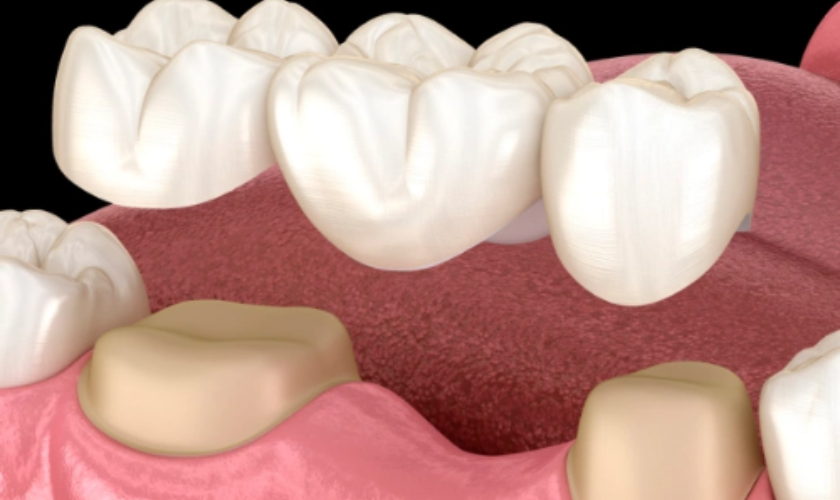
Dental bridges are, in simple terms, a fixed prosthetic device used to “bridge” the gap left by missing teeth. It is supported by natural teeth or implants on both sides of the space, restoring function and appearance.
If you are thinking about a dental bridge in Moscow, ID, you probably know the effects of missing teeth on your bite, speech, or oral health. Bridges not only protect your smile, but also keep nearby teeth from shifting out of place—something that many overlook until it becomes more complicated.
- Stability: Bridges are a permanent solution that is permanently attached to your teeth, unlike removable dentures.
- Natural appearance: Bridges are natural and blend well with your existing teeth.
- Functionality: Improve chewing and speaking skills.
- Preserve jawbone structure: While bridges do not replace roots like implants do, they do help maintain tooth alignment and bite force.
The Step-by-Step Process of Getting a Dental Bridge
1. Initial Consultation and Examination
It all starts with a thorough dental exam. Your dentist will assess your oral health to determine if you’d be a good candidate for a dental bridge. This includes examining the condition of the neighboring teeth (abutment teeth), gums, and bone structure.
A dental X-ray or digital scan can be helpful here, as it provides the images needed to determine the best course of action. In this visit, your dentist discusses the different types of bridges available and helps you tailor the treatment to your individual needs.
2. Preparing the Anchoring Teeth
Usually, the natural teeth in your gap need to be slightly reshaped to accommodate the bridge. This requires that the enamel be thin and that the crown portion of the bridge fit perfectly over the crown. This is important for the longevity and strength of your new bridge.
If your abutment teeth need more care or are weak, your dentist may recommend treatment options or other solutions.
3. Taking Impressions and Bite Registration
Now that your teeth are ready, the next step is to create an accurate impression of them. These molds are used to create your bridge because they capture the precise shape of your gums and teeth. In addition, your bite is measured to ensure your bridge fits well in your mouth without altering how your teeth meet.
4. Temporary Bridge Insertion
During this period, while your permanent bridge is being made, a temporary bridge will be placed to protect your exposed teeth and gums. A temporary bridge allows you to eat, talk, or even smile with comfort until the permanent bridge is ready.
During this step, usually the second step of treatment, it takes between two and three weeks before finishing.
5. Fitting the Permanent Dental Bridge
Once your custom bridge is complete, you will return to your dentist for a final visit to have it fitted. This visit will require removing your temporary bridge and inserting your new permanent bridge. The dentist will inspect your bridge’s fit, shape, and color and make final adjustments as needed to achieve a comfortable, natural look.
The bridge is then firmly cemented into position, and your smile and biting function are fully restored.
6. Follow-Up Care and Maintenance
After this procedure, your dentist will advise you on how to care for the fixed bridge.
- Brushing your teeth twice daily helps maintain this bridge.
- Go for regular dental visits for cleaning and check-ups.
- Try to avoid hard or sticky foods during those early months to prevent tissue damage.
- If you have any discomfort or looseness, notify your dentist immediately.
With proper maintenance and care, dental bridges can last 10 to 15 years or longer.
The Advantages Of Selecting a Dental Bridge
Being in a small community such as Moscow means that having good, accessible dental care is a significant advantage. Selecting a dental bridge in Moscow, ID has many additional benefits over and above good dental health:
Local expertise: Specialists who have experience working in the region and understand the local people’s way of life and dietary habits.
Convenience: No need to travel much for follow-up visits and in case of an emergency.
Community trust: It is easier to get dental care help in this type of community if a provider has a good relationship with providers in this area who care about their patients.
Is a Dental Bridge Suited for You?
Although dental bridges are a common and popular alternative in dentistry, they are not ideal for all patients. The list below highlights situations in which a bridge is needed:
- You are missing one or two adjacent teeth, and your other teeth are healthy.
- Implants aren’t a direct alternative in terms of cost, health concerns, and bone density.
- You are looking for a faster option than implants.
However, if you have issues with gum disease or decay, it’s likely that your dentist will ask you to address these before moving forward with a bridge.
Even so, what works best for determining whether this restoration is suitable for you is a personalized consultation.
Conclusion: Restore Your Smile With Confidence
Getting a dental bridge in Moscow, ID, is a relatively simple process that restores your smile’s health and original appearance. From the very first consultation through the installation of your new, natural-looking dental bridge, every step is thoughtfully planned with your comfort and health in mind.
Whether it’s enjoying the local scenery of the Pullman-Moscow area, taking an evening stroll through downtown, or taking a leisurely walk along Main Street, having a healthy, whole smile is an incredible confidence booster!
If you are looking for a reliable and understanding dental partner, Palouse View Dental is a good option. We can help you with the dental bridge procedure.
Are you ready to move forward with a renewed smile? Contact us today and see what a difference a carefully designed dental bridge can make in your smile!
Common Questions People Ask
What is the duration for the dental bridge procedure?
Typically, the procedure takes two appointments over two to three weeks: one to prepare the teeth and take impressions, and another to fit the final bridge.
Are dental bridges painful?
The vast majority of patients report little to no pain during dental bridge placement. Local anesthesia is used to prepare the teeth for a dental bridge, and any tenderness the patient experiences after the procedure is generally short-lived.
How do I maintain my dental bridge?
Brush and floss your teeth as you normally would, paying particular attention to the area under the bridge. Your dentist may advise using specialized floss or interdental brushes to thoroughly clean the area beneath the bridge.
If my dental bridge breaks, can it be fixed or replaced?
Yes, you should see your dentist as soon as you realize your dental bridge is broken or loose, because the repair or replacement is usually straightforward.
Will my dental insurance cover dental bridges in Moscow, ID?
Dental bridge coverage varies by dental plan; therefore, it is best to check with your dental insurance provider for specifics on the benefits included in your plan.
What are the various options available for dental bridges?
Other options include dental implants or partial dentures. Choosing the dental appliance that’s best for you depends on your oral health and financial constraints.
How long does a dental bridge last?
With good oral hygiene practices and regular dental visits, dental bridges generally last anywhere from 10 to 15 years or longer.